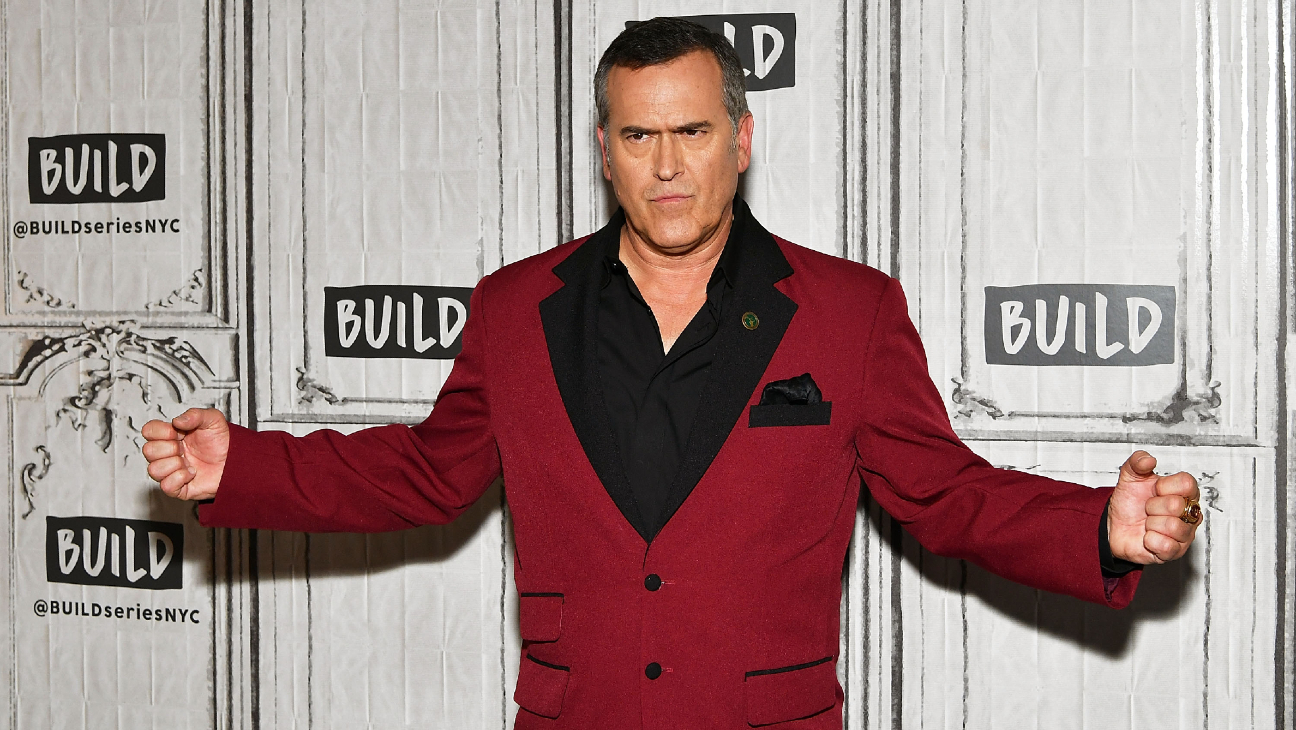
Bruce Campbell Diagnose: Unraveling the Enigma of a Non-Existent Connection in Springsteen's World
In the vast and interconnected digital landscape, search queries can sometimes lead us down unexpected paths, highlighting the intricate dance between specific keywords and the information they're expected to retrieve. One such intriguing query, "bruce campbell diagnose," when juxtaposed with content pertaining to rock legend Bruce Springsteen, consistently yields a surprising result: an absolute absence of any relevant information. This article delves into the curious case of why "bruce campbell diagnose" is definitively not found within the extensive discography, biography, or public statements related to Bruce Springsteen, exploring the distinct realms of these two iconic figures and the fascinating implications for online information retrieval.
The reference context for this investigation unequivocally states that source materials on Bruce Springsteen – ranging from his songs, discography, and albums like *Nebraska* and *Born in the USA*, to his Wikipedia entry and tour announcements such as the ‘Land of Hope and Dreams’ American Tour – contain no mention whatsoever of "Bruce Campbell" or the term "diagnose." This foundational finding, as detailed in analyses like
No Bruce Campbell Diagnose Information in These Texts, forms the core premise of our exploration. It’s a clear signal that we are dealing with two separate entities whose professional and personal lives simply do not intersect in the manner implied by such a specific search term.
The Confounding Absence: Why "Bruce Campbell Diagnose" Isn't in Springsteen's Orbit
At first glance, the search query "bruce campbell diagnose" might seem like a straightforward attempt to find information about a medical condition or a character's state related to the actor Bruce Campbell. However, when this query is specifically directed towards Bruce Springsteen content, the silence is deafening. This isn't due to a lack of data on either individual, but rather a fundamental disconnect between two celebrated figures from entirely different spheres of entertainment.
Bruce Springsteen, affectionately known as "The Boss," is an undisputed titan of American rock music. His career spans decades, marked by powerful storytelling, electrifying live performances with the E Street Band, and a discography that has soundtracked generations. His lyrical themes often touch upon the working class, American dreams, social commentary, and personal introspection. His public life and career are extensively documented, covering everything from his musical evolution and political stances to his personal struggles and triumphs.
Bruce Campbell, on the other hand, is a celebrated actor, director, producer, and author, best known for his iconic role as Ash Williams in the *Evil Dead* franchise. He is a cult figure synonymous with B-movies, horror-comedy, and a distinctive brand of sarcastic heroism. His career has primarily unfolded in film and television, creating a unique niche for himself in the entertainment industry.
The complete absence of the term "bruce campbell diagnose" within the vast body of Springsteen-related content, as our investigation confirms – and as emphasized in resources like
Springsteen Context Lacks Bruce Campbell Diagnose Details – is therefore not an oversight, but a logical consequence of their distinct career paths. There is no historical, professional, or personal crossover that would naturally link a medical or character-related "diagnosis" concerning Bruce Campbell to the narrative of Bruce Springsteen's life or work.
Disentangling the "Bruces": Distinct Legacies and Lifepaths
To truly understand why these two names exist in separate informational silos, it's crucial to appreciate their unique contributions and contexts:
Bruce Campbell: A Cult Icon's Cinematic Realm
Bruce Campbell has carved out an indelible legacy primarily in the horror and cult film genres. His portrayal of Ash Williams, a chainsaw-handed, boomstick-wielding hero battling Deadites, has earned him a devoted global following. Beyond *Evil Dead*, Campbell has appeared in numerous other films and television shows, often bringing his characteristic wit and self-awareness to roles.
If one were to search for "diagnose" in relation to Bruce Campbell, it would most likely pertain to:
* **Fictional Diagnoses:** Speculation or discussion about the psychological state of characters he has played (e.g., Ash Williams' PTSD or increasingly unhinged demeanor).
* **Health Updates:** Very occasionally, news about an actor's personal health might surface, leading to such a query, but it would be specific to Bruce Campbell himself, not linked to his work with Springsteen.
* **Fan Theories:** Debates within fan communities about the deeper meanings or conditions affecting his characters.
His world is one of practical effects, gruesome humor, and conventions filled with passionate fans eager to discuss his latest projects or revisit classic performances.
Bruce Springsteen: The Bard of American Life
Bruce Springsteen's domain is the concert stage, the recording studio, and the narrative tapestry of America. His music is deeply rooted in rock and roll, folk, and blues traditions, exploring themes of hope, despair, resilience, and the search for redemption. With albums like *Born to Run*, *Darkness on the Edge of Town*, and *The Rising*, he has not only achieved immense commercial success but also garnered critical acclaim for his lyrical depth and raw emotional power.
Searches related to "diagnose" concerning Bruce Springsteen would typically refer to:
* **Album/Song Analysis:** A "diagnosis" of social ills or personal struggles within his lyrics (e.g., "Springsteen's diagnosis of the American working class in 'The River'").
* **Public Health Advocacy:** Any instances where Springsteen might have spoken out about public health issues, which is distinct from a personal medical diagnosis.
* **Critical Commentary:** A music critic's "diagnosis" of a shift in his artistic direction or the health of rock music itself.
Springsteen's legacy is that of a rock poet and a chronicler of the human condition, profoundly impacting music and culture.
Navigating Information Discrepancies: Understanding Search Intent
The fundamental separation of these two figures raises an important question: why might someone even search for "bruce campbell diagnose" in the context of Bruce Springsteen? There are several possibilities:
1. **Homonym Confusion:** The most straightforward explanation is simple confusion due to the shared first name "Bruce." In a rapid search, a user might inadvertently combine elements from two distinct individuals.
2. **Misinformation or Hoaxes:** While less common for such specific phrasing, the internet can sometimes propagate erroneous information that incorrectly links unrelated public figures.
3. **Cross-Over Interest (Unlikely):** A fan of both might be exploring obscure connections, though documented crossovers are virtually non-existent.
4. **Algorithmic Anomalies:** In rare instances, search algorithms might misinterpret complex queries, leading to unexpected juxtapositions, though modern AI is increasingly adept at disambiguation.
5. **Specific, Niche Fan Theory (Unsubstantiated):** It's conceivable, though highly improbable and without evidence, that a very niche fan theory might attempt to draw a symbolic "diagnosis" from Campbell's characters and apply it to Springsteen's lyrical themes. However, no credible sources support such a connection.
The consistent "not found" result, as observed across various authoritative sources, strongly suggests that any such search is based on a misunderstanding or an accidental pairing of keywords.
The Role of Disambiguation in Digital Research
In an age where information is abundant, the ability to accurately disambiguate between entities with similar names or unrelated contexts is paramount. Search engines constantly refine their algorithms to understand user intent and differentiate between "Bruce Campbell" (the actor) and "Bruce Springsteen" (the musician).
For users, here are some practical tips for effective online research, especially when dealing with potentially confusing queries:
*
Be Specific: Add clarifying terms like "actor," "musician," "filmography," "discography," "health," or "character" to your search query.
*
Use Quotation Marks: For exact phrases, use "bruce campbell" to ensure results focus on the actor.
*
Check Multiple Sources: If you find an unexpected link, verify it across several reputable sources.
*
Understand Context: Consider whether the information you're seeking logically fits within the known biography or work of the person in question. Would Bruce Campbell really be featured prominently in a Springsteen album review for a medical diagnosis? Unlikely.
Beyond the "Not Found": Appreciating Distinct Legacies
While the primary finding is the absence of "bruce campbell diagnose" in Springsteen content, this exercise is more than just about a non-finding. It serves as a powerful reminder of the distinct and invaluable legacies left by both Bruce Campbell and Bruce Springsteen.
Bruce Campbell continues to be a beloved figure in cult cinema, bringing joy and a unique brand of heroism to audiences worldwide. His contributions to the horror-comedy genre are undeniable, and his influence extends to conventions, fan culture, and even video games.
Bruce Springsteen, on the other hand, remains a pivotal figure in American music, a lyricist who can encapsulate the human spirit and a performer who can move thousands with his raw energy and heartfelt sincerity. His songs are woven into the fabric of American culture, offering solace, inspiration, and a powerful voice for the common person.
Their paths are separate, their fan bases largely distinct, and their artistic outputs divergent. The lack of connection between "bruce campbell diagnose" and Bruce Springsteen content is not a gap in information, but rather a clear demarcation between two rich, independent narratives in the world of entertainment.
Conclusion
In conclusion, the investigation into "bruce campbell diagnose" within the context of Bruce Springsteen's expansive body of work reveals a definitive and consistent truth: there is no information linking the two. This absence underscores the distinct careers of Bruce Campbell, the iconic actor, and Bruce Springsteen, the legendary musician. While both share a first name, their professional lives, artistic contributions, and public narratives exist in entirely separate spheres. This case highlights the importance of precise search queries and critical information evaluation in the digital age, reminding us to appreciate the unique and unadulterated legacies that these two "Bruces" have meticulously crafted in their respective, and entirely separate, domains.